
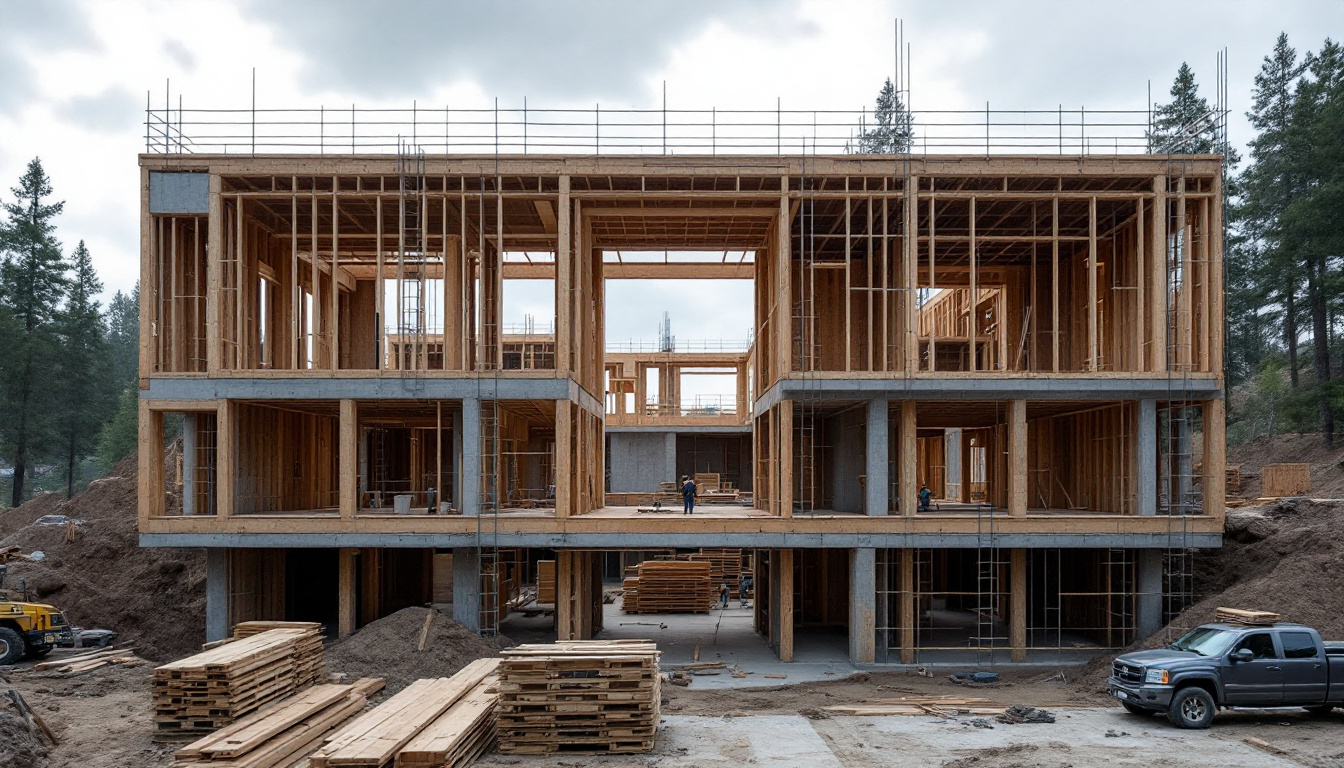
What is LVL formwork and how is it used on Australian sites?
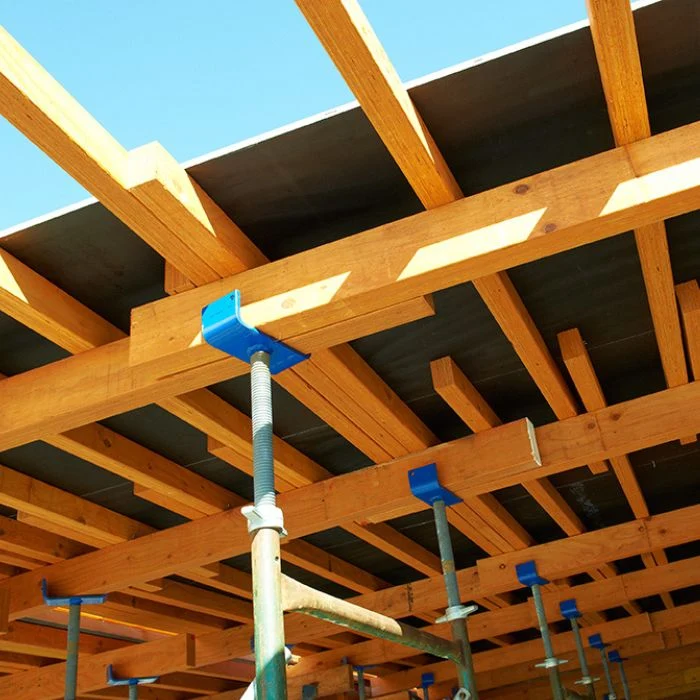
LVL formwork is made from laminated veneer lumber, where thin timber veneers are bonded under heat and pressure to create consistent, high-strength members and panels. On Australian sites, they often use it for wall, slab-edge, column, and beam formwork where straightness, repeatability, and known capacity matter.
Because the material is engineered, it tends to behave more predictably than mixed-grade sheet goods, especially across larger spans and repeated pours.
How do traditional plywood formwork systems typically work?
Traditional plywood formwork usually relies on formply sheets fixed to timber or steel framing, with soldiers, walers, ties, and bracing set to the pour design. In Australia, they commonly use F-grade formply with a phenolic film face for concrete contact.
It is widely available, familiar to most crews, and easy to cut and patch. The trade-off is variation between sheets, higher risk of edge damage, and a greater dependence on careful handling to maintain reuse life.
How do strength and stiffness compare under concrete pressure?
LVL formwork is typically stronger and stiffer for its size because the veneers are aligned and manufactured for structural consistency. That extra stiffness can reduce deflection, which helps keep walls plumb and slab edges straight, particularly where spans or pour heights push the system.
Plywood can still perform well, but its stiffness varies by product and condition. Once edges swell, faces get gouged, or sheets soften from moisture, deflection can increase and finishes can suffer.
Which option delivers a better concrete finish?
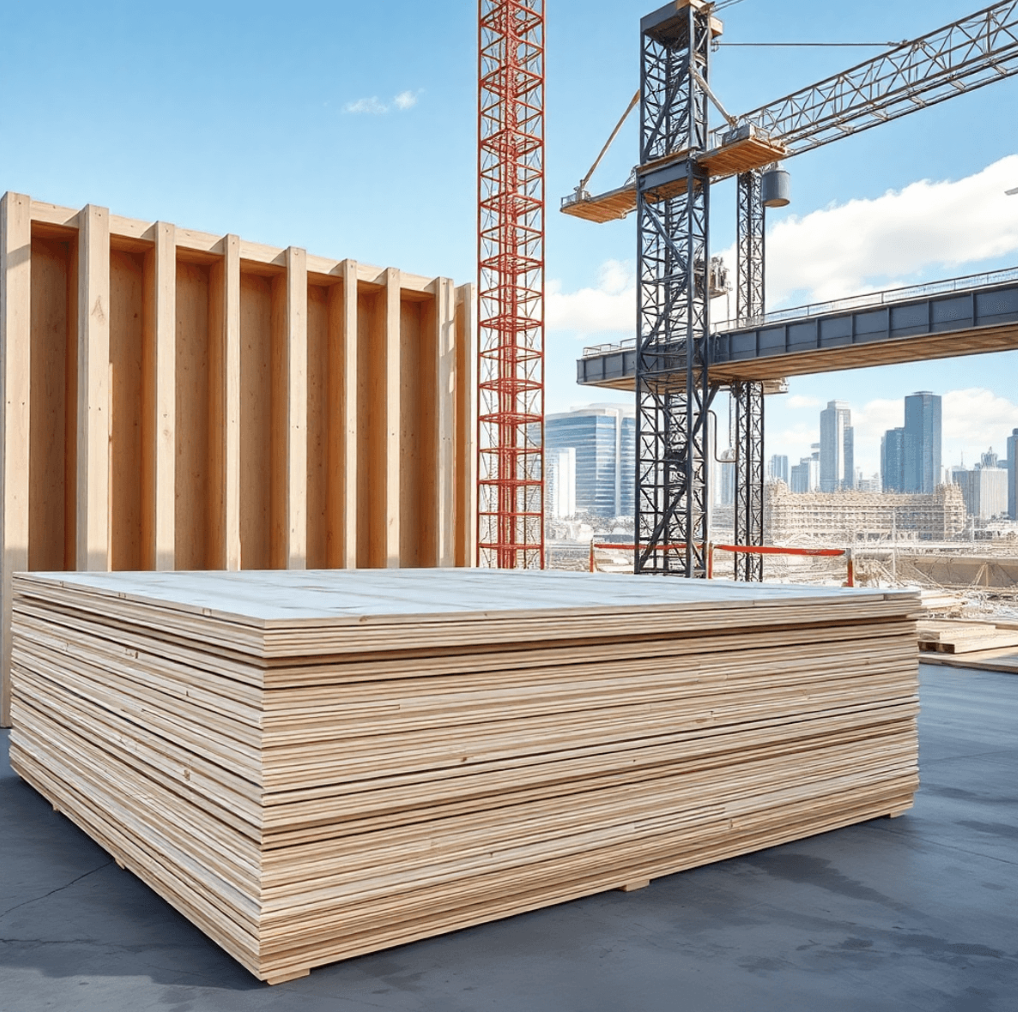
A better finish usually comes down to face condition, joint control, and release practices, but LVL formwork often helps by staying flatter and more uniform over time. When panels remain straight, joints stay tighter and the formed face is less likely to show steps or ripples.
Plywood can produce an excellent finish, especially with new formply and careful joint sealing. The risk increases as sheets age, edges fray, and the film face wears through, which can print imperfections into the concrete.
Which is faster to install and strip in real site conditions?
Speed depends on system design, crew familiarity, and how often they need to rework panels. LVL formwork can be quicker on repetitive jobs because panel behaviour is consistent, fixings hold reliably, and fewer sheets need replacing mid-cycle.
Plywood can be fast too, particularly for one-off details and tight spaces where quick trimming is constant. However, variability across sheets can slow alignment, and damaged edges can add time through patching, packing, and re-squaring.
How do durability and reuse cycles compare?
In many projects, LVL formwork can last longer because it resists warping and maintains its geometry across multiple pours when it is stored and handled correctly. Its consistent stiffness can also reduce the likelihood of retiring panels early because of bowing, making LVL formwork durability an important consideration for repetitive concrete work.
Plywood reuse life is highly sensitive to moisture, impact, and edge sealing. If crews are disciplined with oiling, cleaning, storage off the ground, and edge protection, plywood can achieve strong reuse numbers, but it is easier to shorten its life through rough handling.
How do they perform in Australian weather and moisture exposure?
Australian conditions can swing from humid coastal air to dry heat, plus sudden rain events that soak stored materials. LVL formwork tends to cope better with these swings because engineered timber is more dimensionally stable, though it still needs proper sealing and storage.
Plywood is more likely to swell at edges and delaminate if water gets into unprotected areas. Once swelling begins, joints open and faces can telegraph issues into the finished concrete.
What are the cost differences across a full project, not just purchase price?
Upfront, LVL formwork can cost more per unit than basic plywood setups, depending on the product and system. Many teams justify the price when reuse rates, reduced waste, lower rework, and fewer “surprise” defects are added into the calculation.
Plywood often has the advantage of lower upfront cost and wider availability, making it suitable for short programs or projects with limited repetition. Over a longer run, however, sheet replacement, additional patching labour, and the risk of inconsistent finishes can reduce those initial savings. Plywood versus LVL formwork costs should therefore be assessed over the full project lifecycle.
Which option is more flexible for custom shapes and last-minute changes?
Plywood is usually the most adaptable for rapid on-the-fly changes, because crews can cut, notch, and patch with minimal planning. That flexibility is valuable on renovations, awkward tie-ins, and projects where dimensions shift after set-out.
LVL formwork can still be modified, but it rewards planning and repetition rather than constant customisation. They often pair LVL components with sacrificial plywood liners or infills when complex geometry is unavoidable.
How do safety and handling compare for crews?
Both systems can be safe if they follow engineered designs, bracing requirements, and proper inspection routines. LVL formwork can improve safety indirectly by staying straighter and more predictable, which reduces the temptation to “make it work” with packing and improvised fixes.
Plywood sheets can be lighter in some cases, but damaged edges and warped panels increase pinch points and awkward handling. Good housekeeping, consistent lifting practices, and clear stacking rules matter for either option.
What does compliance look like in an Australian construction setting?
They should treat both options as formwork systems that must meet design, inspection, and installation requirements consistent with Australian practice. LVL formwork often comes with clearer manufacturer data for capacities, spans, and allowable loads, which can make engineering sign-off and planning more straightforward.
Plywood solutions can be fully compliant, but they may rely more on site-built designs and the condition of materials on the day. Keeping records of product grades, inspections, and pour histories helps reduce uncertainty.
Which is more sustainable and waste-efficient over time?
Sustainability depends on sourcing, reuse cycles, and waste. LVL formwork can reduce waste when it lasts longer and needs fewer replacements across a project or across multiple projects in a contractor’s fleet.
Plywood can also be sustainable when they maximise reuse and prevent damage through storage and edge sealing. The main waste issue is premature disposal caused by water damage, delamination, and surface wear.
How should they choose between LVL and plywood for their next job?
They should choose LVL formwork when the project has repetition, tighter tolerance expectations, longer programs, or high concrete finish requirements. It suits builders who want predictable panels that stay straight, reduce rework, and hold their value through multiple cycles.
They should lean toward plywood when the job is short, highly customised, or cost-sensitive upfront. In many Australian projects, the best answer is mixed: LVL for primary runs and critical edges, and plywood for infills and complex details.
What is a practical rule of thumb for decision-making?
If they expect to reuse panels many times and want consistent geometry, LVL formwork usually performs better across the full job lifecycle. If they need maximum adaptability for changing details, plywood often remains the quickest and simplest material to work with.
Either way, handling and storage can have a greater impact on real-world outcomes than the material choice alone. Clean faces, sealed edges, appropriate release agents, and dry stacking can help improve finish quality and extend reuse life. Understanding F14 grade plywood can also help builders assess how structural strength and material selection fit into broader project requirements.
FAQs (Frequently Asked Questions)
What is LVL formwork and how is it utilized on Australian construction sites?
LVL formwork, made from laminated veneer lumber, consists of thin timber veneers bonded under heat and pressure to create strong, consistent panels. In Australia, it’s commonly used for wall, slab-edge, column, and beam formwork where straightness, repeatability, and predictable capacity are essential. Its engineered nature ensures more reliable performance across larger spans and multiple pours compared to mixed-grade sheet goods.
How does traditional plywood formwork compare to LVL formwork in Australian construction?
Traditional plywood formwork typically involves F-grade formply sheets with a phenolic film face fixed to timber or steel framing. It is widely available, familiar to crews, and easy to cut and patch. However, plywood varies between sheets, is prone to edge damage, and requires careful handling to maintain reuse life. In contrast, LVL offers greater strength, stiffness, and consistency but at a higher upfront cost.
Which formwork system provides better concrete finish quality?
LVL formwork often delivers superior concrete finishes due to its flatter and more uniform panels that maintain tight joints over time, reducing steps or ripples on the surface. While new plywood can also produce excellent finishes with proper joint sealing, aging plywood sheets are more susceptible to edge fraying and film wear that can imprint imperfections onto the concrete.
How do LVL and plywood formworks perform in terms of durability and reuse cycles on site?
LVL formwork generally has a longer lifespan because it resists warping and maintains geometry through multiple pours if stored and handled correctly. Its consistent stiffness minimizes premature retirement due to bowing. Plywood’s reuse life is highly dependent on moisture exposure, impact resistance, edge sealing, and disciplined maintenance practices like oiling and proper storage; rough handling significantly shortens its usability.
What are the cost considerations when choosing between LVL formwork and traditional plywood systems?
While LVL formwork has a higher initial purchase price than basic plywood setups, many projects justify the investment through increased reuse rates, reduced waste, less rework, and fewer defects. Plywood offers lower upfront costs and widespread availability suitable for short-term or low-repetition projects but may incur additional labor costs for patching and replacement over time that narrow the overall cost gap.
How do LVL and plywood formworks handle Australian weather conditions such as humidity and rain?
LVL formwork tends to better withstand Australia’s variable climate—including humid coastal air, dry heat, and sudden rain—due to its engineered dimensional stability. However, it still requires proper sealing and storage. Plywood is more vulnerable to swelling at edges and delamination when exposed to moisture in unprotected areas. Swelling can lead to joint openings and surface defects visible in the finished concrete.