
Why do Blue Mountains properties attract different pests?
They tend to sit closer to bushland, creeks, and leafy corridors, which support more wildlife and insect life. That proximity increases the chance of ants, spiders, cockroaches, rodents, and stinging insects moving in during weather shifts.
Many homes also have gardens, woodpiles, and subfloors that create ideal shelter. City homes may still get pests, but the “pressure” often comes from neighbours, waste rooms, and shared services.
How does the cooler, wetter climate change treatment choices?
It usually increases moisture-related pest activity and mould-friendly conditions that attract certain insects. In pest control Blue Mountains, professionals often focus more on drainage, ventilation, and damp zones because chemicals alone do not solve the cause.
In cities, heat islands and constant indoor warmth can keep pests active year-round. In the mountains, pest control Blue Mountains technicians often plan around cold snaps, heavy rain, and sudden warm spells that trigger bursts of activity.
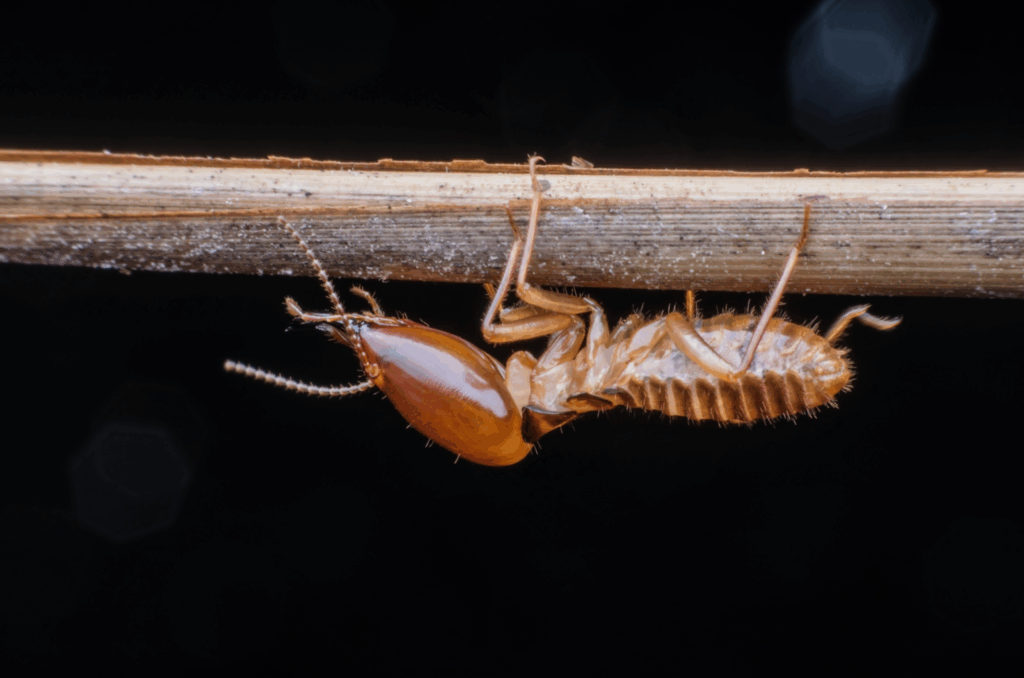
Are termites a bigger concern in the Blue Mountains?
They can be, but the key difference is risk pattern, not just risk level. Bush edges, damp subfloors, and timber-heavy construction can raise termite pressure, so inspections and monitoring often matter as much as treatments.
City termite issues also exist, especially around older suburbs and garden beds. However, mountain programs often include more moisture management and habitat reduction because those factors heavily influence termite behaviour.
Do mountain homes require different inspection methods?
Yes, because access and construction vary more. Technicians may deal with steep blocks, raised floors, retaining walls, and dense landscaping, so they often spend more time checking subfloors, perimeter timbers, and drainage lines.
City inspections can be faster in newer builds with easier access, but apartments add complexity through shared cavities and limited entry points. Each setting changes where pests hide and how they spread.
How does bushfire risk affect pest control planning?
It can shift priorities toward safer, lower-risk approaches around dry vegetation and ember-prone zones. Providers may avoid certain application methods during extreme conditions and instead emphasise sealing, exclusion, and targeted placement.
After fires or hazard reduction, displaced pests can also move toward homes. Treatments often include follow-up checks because pest movement can change quickly when habitat is disturbed. Visit https://www.agriculture.gov.au/biosecurity-trade/pests-diseases-weeds/pest-animals-and-weeds to learn more about established pests and weeds
Are chemical products and application levels different from city jobs?
Often, yes, because exposure pathways differ. In the mountains, rain, leaf litter, and porous soils can affect how long barrier treatments last, so technicians may choose products and placements that handle wet conditions better.
In cities, internal treatments and crack-and-crevice work are common due to shared walls and service penetrations. Mountain work may be more perimeter-focused, with heavy attention on outdoor harbourage.
Do they rely more on prevention in the Blue Mountains?
They usually do, because reinfestation pressure from surrounding bushland can be higher. A strong plan often includes sealing gaps, trimming vegetation back from structures, fixing leaks, and managing stored timber.
City pest control also uses prevention, but it can lean more on building-wide hygiene and shared-area coordination. In the mountains, a single property’s yard and drainage can make or break results.
Is rodent control handled differently outside the city?
Yes, because rodent behaviour changes with landscape. Mountain properties often face rodents moving in from paddocks, bush corridors, and sheds, so baiting, proofing, and monitoring may extend across garages, outbuildings, and roof voids.
In cities, rodents may travel through drains, laneways, and neighbouring roofs. That can require cooperation with strata or neighbours, plus attention to rubbish management and common access points.
What should they expect from a Blue Mountains pest control service?
They should expect more questions about moisture, landscaping, subfloor access, and nearby bushland. A thorough provider will explain why pests are showing up and what changes reduce the conditions that support them.
They should also expect realistic maintenance advice. In many mountain locations, a one-off spray is rarely positioned as a complete solution, especially when weather and habitat constantly reintroduce pests. You may like to visit https://homeiswhatyoumakeit.com/rodent-control-sydney-rats-mice/ to learn more about rodent control in Sydney and how to get rid of rats and mice fast.
How can they decide whether a “city-style” treatment is enough?
They can start by comparing risk factors. If the property backs onto bush, has damp subfloors, heavy leaf litter, or frequent rodent sightings, a tailored Blue Mountains approach is usually more effective.
If the home is newer, well-sealed, and sits in a more built-up pocket with low vegetation pressure, a simpler program might work. The best indicator is whether treatments are paired with practical prevention and follow-up.
FAQs (Frequently Asked Questions)
Why do Blue Mountains properties attract different pests compared to city homes?
Blue Mountains properties are closer to bushland, creeks, and leafy corridors that support diverse wildlife and insects, increasing the chance of ants, spiders, cockroaches, rodents, and stinging insects entering homes during weather changes. Additionally, gardens, woodpiles, and subfloors in mountain homes create ideal shelter for pests, unlike city homes where pest pressure often comes from neighbours and shared spaces.
How does the cooler, wetter climate of the Blue Mountains affect pest control treatments?
The cooler and wetter climate increases moisture-related pest activity and creates mould-friendly conditions attracting certain insects. Pest control professionals focus more on drainage, ventilation, and managing damp zones because chemical treatments alone cannot address these underlying causes. Treatments are planned around seasonal weather shifts like cold snaps and heavy rain which trigger pest activity bursts.
Are termites a bigger concern in the Blue Mountains than in cities?
Termite risk patterns differ rather than just risk levels. In the Blue Mountains, bush edges, damp subfloors, and timber-heavy construction increase termite pressure, making inspections and monitoring as important as treatments. Mountain programs emphasize moisture management and habitat reduction more heavily to influence termite behavior compared to city termite control.
Do pest inspections differ for mountain homes compared to city residences?
Yes. Mountain homes often have steep blocks, raised floors, retaining walls, and dense landscaping requiring technicians to spend more time inspecting subfloors, perimeter timbers, and drainage lines. City inspections can be quicker for newer builds but apartments present complexities with shared cavities and limited access points affecting pest hiding spots.
How does bushfire risk influence pest control strategies in the Blue Mountains?
Bushfire risk shifts priorities toward safer treatment methods around dry vegetation and ember-prone areas. Pest control providers may avoid certain chemical applications during extreme fire conditions and instead focus on sealing entry points and targeted placements. Post-fire or hazard reduction periods require follow-up checks as displaced pests often move toward homes when habitats are disturbed.
What should property owners expect from a professional Blue Mountains pest control service?
Owners should expect detailed assessments focusing on moisture issues, landscaping impacts, subfloor access challenges, and proximity to bushland. Effective services explain why pests appear and recommend practical changes to reduce supportive conditions. They emphasize prevention through sealing gaps, managing vegetation, fixing leaks, and ongoing maintenance rather than relying solely on one-off chemical treatments due to constant reinfestation pressures in mountain environments.